
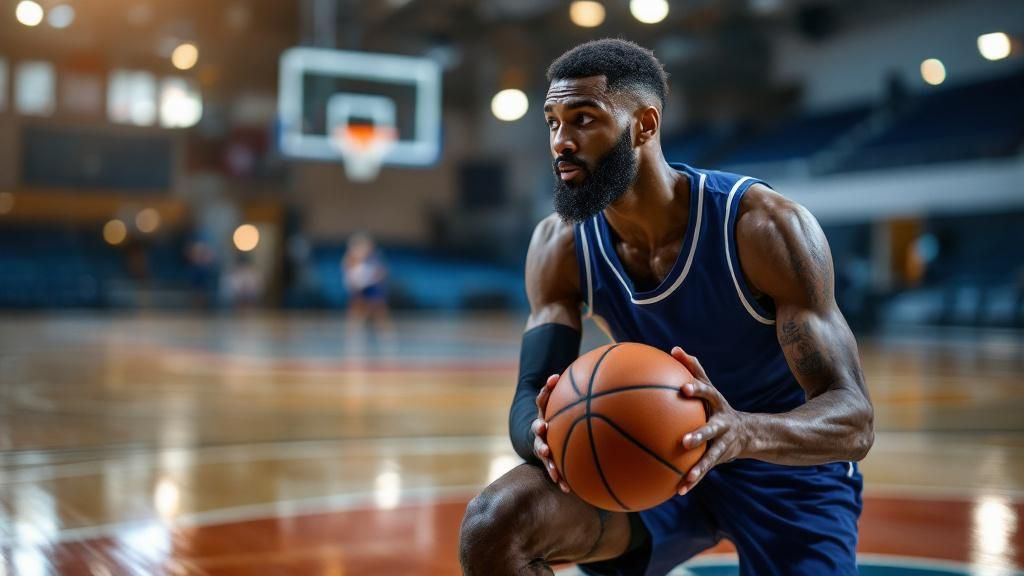
Professional basketball demands significant physical demands on athletes’ bodies, yet many players cut their careers short due to avoidable injuries. From elite NBA stars to rising prospects, adopting and applying comprehensive injury prevention approaches has become critical to longevity in the sport. This article examines evidence-based methods—including strength conditioning, mobility training, and recovery strategies—that enable players to safeguard their health and prolong their playing careers. Discover how focusing on injury prevention enhances professional longevity and maximises athletes’ earning potential and legacy.
Significance of Injury Prevention in Professional Basketball
Professional basketball represents one of sport’s most athletically rigorous disciplines, requiring dynamic bursts of activity, rapid directional changes, and sustained high-intensity performance. The constant training demands, combined with the intensity of competitive play, places considerable strain on players’ musculoskeletal systems. Injuries sustained during a career can significantly diminish earning potential, limit on-court minutes, and ultimately truncate what might otherwise be a rewarding career span. Consequently, implementing comprehensive injury prevention strategies has become essential for extending playing careers and sustaining optimal physical condition throughout a player’s professional journey.
The economic impact of career-altering or career-threatening injuries is critically important within the professional game. Players who preserve their fitness throughout their careers generally receive significantly higher throughout their playing lives compared to those sidelined by injuries. Beyond financial concerns, preventative measures permit competitors to perform at peak capacity, make valuable contributions to their teams, and establish enduring impacts. Clubs increasingly recognise that supporting injury prevention schemes yields significant returns, lowering healthcare costs whilst also improving squad results and competitor well-being.
Modern sports science has demonstrated conclusively that proactive injury prevention yields superior outcomes compared to reactive treatment approaches. Players who adopt training regimens flexibility routines and recovery methodologies suffer fewer injuries and maintain excellent physical fitness. This evidence-based approach has fundamentally transformed professional basketball, encouraging organisations to emphasise injury prevention. Understanding the mechanisms of common basketball injuries—including ankle sprains, knee ligament damage, and shoulder impingements—enables focused prevention methods that substantially reduce occurrence rates.
The psychological benefits linked to injury prevention strategies surpass physical wellbeing. Players who demonstrate confidence in their physical preparation demonstrate improved mental resilience, better mental clarity during competitive play, and increased contentment with their professional experience. Conversely, athletes burdened by chronic injury problems often suffer from anxiety, lowered confidence, and diminished satisfaction of the sport. By emphasising injury prevention, players develop both physical robustness and emotional resilience, establishing a solid base for lengthy, successful professional sporting careers.
Organisational culture substantially affects injury prevention effectiveness throughout professional basketball teams. Clubs that champion preventative measures, allocate adequate recuperation periods, and support player wellness initiatives routinely achieve lower injury rates and improved performance metrics. Progressive organisations acknowledge that extensive injury-prevention initiatives constitute strategic investments rather than expenses, producing gains through decreased treatment expenses, improved player availability, and enhanced competitive outcomes. This cultural transformation has substantially transformed professional basketball.
The competitive landscape of contemporary elite basketball increasingly favours organisations emphasising excellence in injury prevention. Teams adopting advanced tracking technologies, personalised conditioning programmes, and evidence-based recovery protocols gain significant competitive edge. Players in such settings generally experience longer playing careers, perform at higher levels, and achieve greater career satisfaction. As injury prevention methodologies keep evolving, organisations adopting these developments establish themselves favourably within professional basketball’s increasingly competitive environment.
Critical Injury Prevention Strategies
Implementing comprehensive injury prevention strategies represents one of the most effective methods for extending professional basketball careers. Modern sports science has demonstrated that forward-thinking strategies significantly reduce the incidence of frequent basketball-related injuries, including sprained ankles, knee ligament damage, and shoulder impingement. Teams investing in structured prevention programmes witness fewer missed games, better on-court performance, and enhanced overall squad stability. These scientifically-supported methods form the foundation of modern sports management.
The top-performing basketball teams place equal importance on injury prevention as equally as they do skill development and tactical training. By incorporating prevention protocols throughout training schedules, players build resilience and body awareness that results in longevity. Research regularly confirms that athletes adhering to comprehensive prevention programmes experience substantially reduced career-threatening injuries. This dedication to preventative measures ultimately preserves players’ future health prospects whilst optimising their professional value and competitive output.
Strength Building and Conditioning Programmes
Structured strength and conditioning programmes serve as the foundation of effective injury prevention in competitive basketball. These scientifically designed regimens focus on enhancing muscular stability, improving joint integrity, and enhancing functional movement patterns specific to basketball demands. Effectively structured programmes address specific player weaknesses, prior injury background, and positional requirements. Ongoing evaluation and regimen modifications help athletes achieve maximum physical fitness throughout demanding seasons whilst lowering injury occurrence.
Elite basketball schemes utilise specialised conditioning specialists who tailor conditioning work to each athlete’s individual requirements and situation. These professionals employ comprehensive evaluation procedures to identify movement pattern limitations and muscle strength disparities that increase injury risk. Progressive loading, proper exercise technique, and appropriate rest protocols support sustainable physical development. When executed correctly, strength conditioning enhances athletic performance whilst simultaneously providing protective benefits that substantially lengthen playing careers.
- Develop central stability through specific core and lower back strength training
- Enhance ankle stability through balance and proprioceptive training and balance training
- Condition knee supporting muscles to reduce ligament damage reliably
- Enhance shoulder stability through rotator cuff and scapular conditioning
- Improve movement efficiency patterns specific to basketball
Extended Occupational Rewards and Recovery Protocols
Sustained Playing Longevity Via Preventative Steps
Implementing thorough injury prevention strategies significantly extends professional basketball careers, allowing players to maintain peak performance levels throughout their playing years. Athletes who focus on preventive conditioning, mobility work, and recovery protocols exhibit notable playing longevity compared to those neglecting such measures. By tackling prospective weaknesses before injuries occur, players safeguard their physical capital and optimise their income prospects. This forward-thinking strategy transforms careers, enabling athletes to compete at elite levels well into their thirties, substantially increasing lifetime earnings and professional achievements whilst minimising recovery periods.
The monetary impact of longer careers cannot be overstated, as each extra year represents significant contractual earnings and commercial partnerships. Players who avoid serious injuries attract premium wages, secure longer-term contracts, and secure lucrative sponsorship arrangements. Outside financial factors, longevity allows athletes to develop mentorship roles, play a significant part in collective achievement, and establish lasting legacies. Consequently injury prevention constitutes an commitment to both short-term financial stability and sustained career longevity, showing that injury-aware professionals ultimately achieve increased professional contentment and accomplishment.
Enhanced Recovery Procedures and Medical Support Systems
Modern professional basketball organisations utilise sophisticated recovery protocols combining cutting-edge technology, tailored medical approaches, and scientifically-supported recovery methods. These systems include cold therapy treatment, pressurised oxygen facilities, specialist physical therapy, and biomechanical analysis, all intended to enhance athlete recovery between competitions. Individualised recovery programmes address the specific physical needs of individual athletes, ensuring optimal preparation for subsequent matches. By integrating sports science expertise with medical supervision, teams create comprehensive support systems that identify early warning signs of overtraining or developing physical problems, enabling timely intervention before conditions develop into serious long-term harm.
Consistent clinical assessments, including high-resolution diagnostics and movement analysis, enable healthcare professionals to identify minor movement abnormalities or anatomical fragilities ahead of injury occurrence. Coordinated efforts involving conditioning specialists, sports therapists, sports physicians, and dietary specialists ensure holistic athlete care addressing bodily, mental, and dietary needs. This integrated approach facilitates tailored preventative programmes designed for specific injury risk patterns. Consequently, athletes receive scientifically-informed guidance enhancing athletic output whilst minimising injury risk, fundamentally transforming how professional hoops franchises handle athlete health and career management.
Creating Long-term Fitness Practices for Long-term Career Success
Developing long-lasting athletic habits during early career stages establishes foundations for sustained health and consistent performance. Players who consistently engage in organised training programmes, stretching regimens, and recuperation methods cultivate resilience against injuries and setbacks. These habits develop into established lifestyle practices rather than short-term solutions, guaranteeing ongoing adherence throughout careers. Educational initiatives teaching players about the importance of injury prevention, combined with organisational support systems, promote the uptake of wellness-focused practices. When athletes understand direct connections between preventative practices and career longevity, they show stronger dedication to adopting thorough health and fitness approaches, ultimately achieving superior long-term outcomes.
Guidance provided by veteran players who successfully extended careers through injury management generates powerful cultural shifts within teams, normalising health-focused practices among emerging players. Exchanging insights concerning recovery benefits, preventative strategy effectiveness, and career extension outcomes inspires emerging players to place emphasis on injury management from career commencement. Organisational cultures prioritising player wellbeing above immediate performance improvements create environments where players willingly invest in preventative practices. This cultural transformation, combined with accessible recovery resources and medical knowledge, establishes ideal circumstances for athletes to sustain lengthy, productive careers whilst preserving physical health and professional satisfaction.
